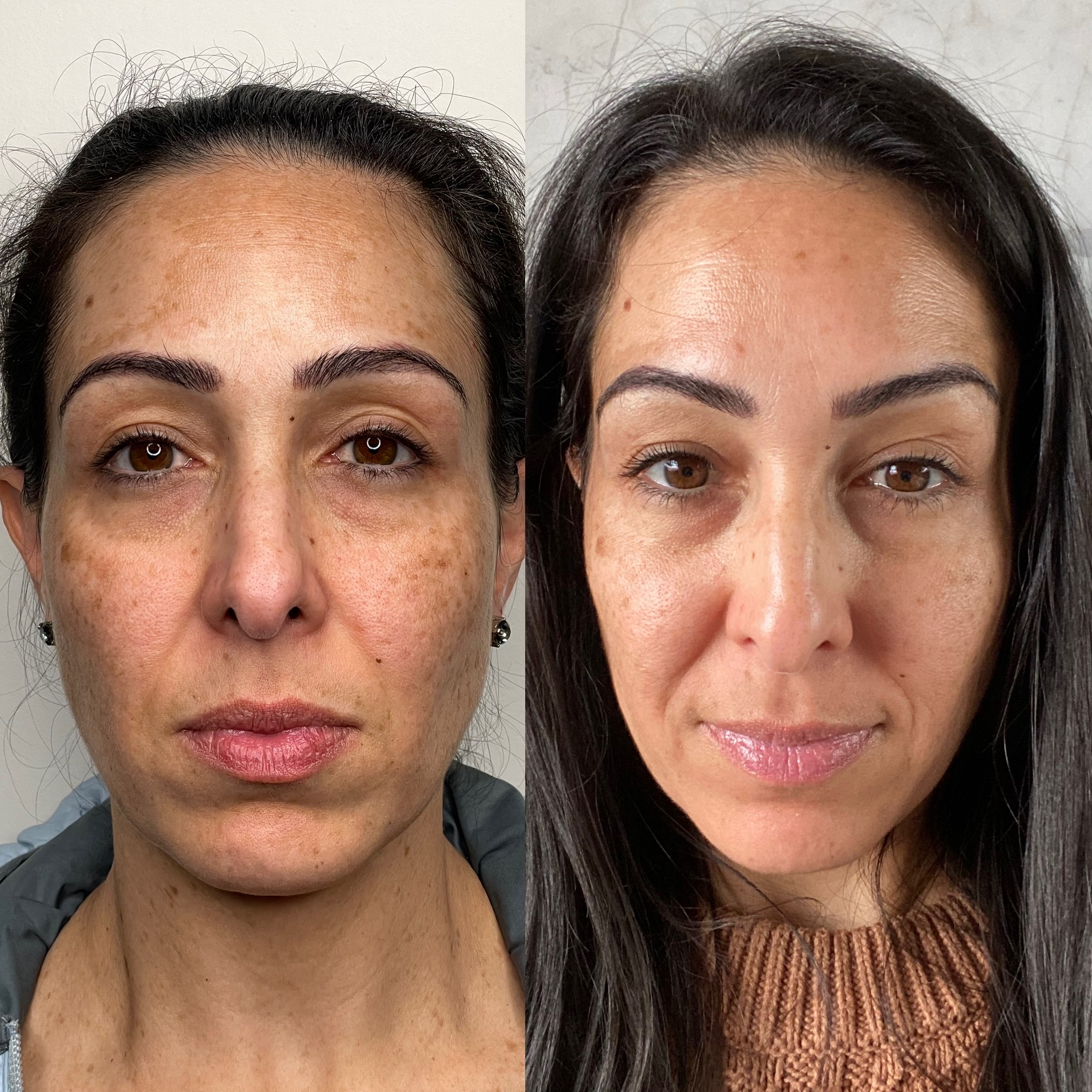
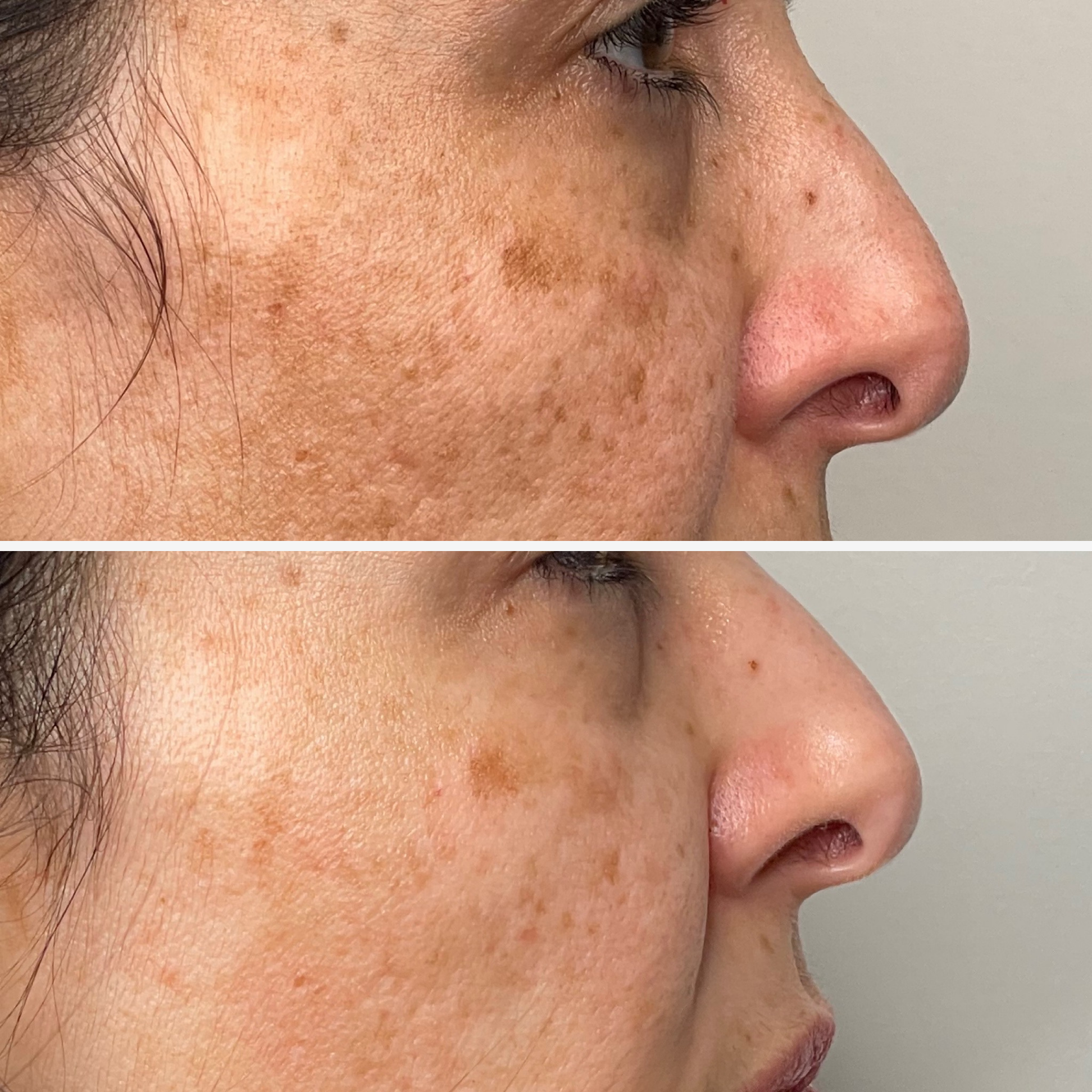
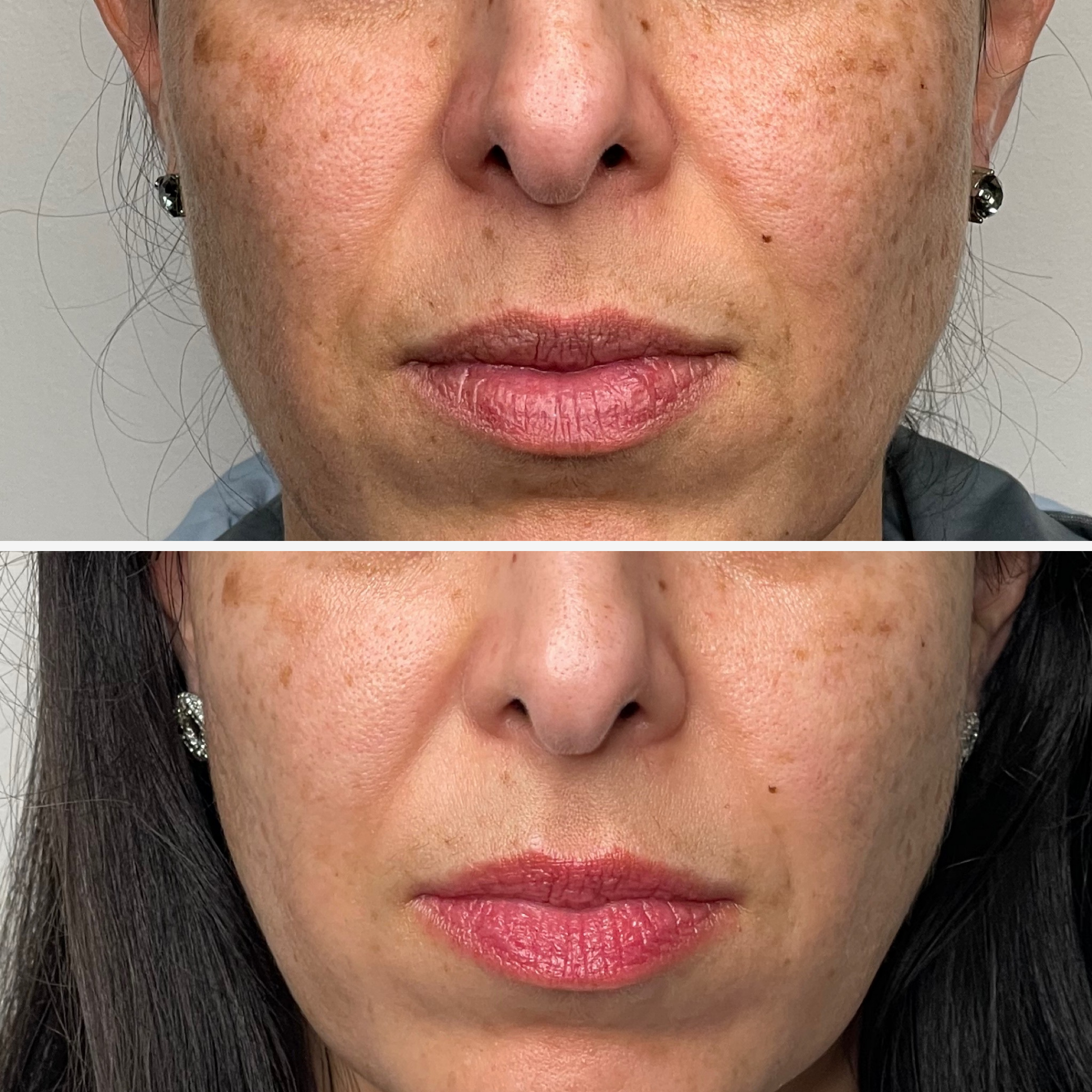
Pigmentation isn’t always about “too much sun.” It’s often a sign of skin stress.
- Inflammation
- Barrier disruption
- Heat exposure
- Hormonal shifts
- Over-treating the skin
When skin feels under attack, it produces more melanin as protection. At FACEFIT, we don’t chase pigment aggressively. We calm the skin first. Then correct it progressively. Then protect consistently.
Long-term results don’t come from doing more. They come from doing it properly.
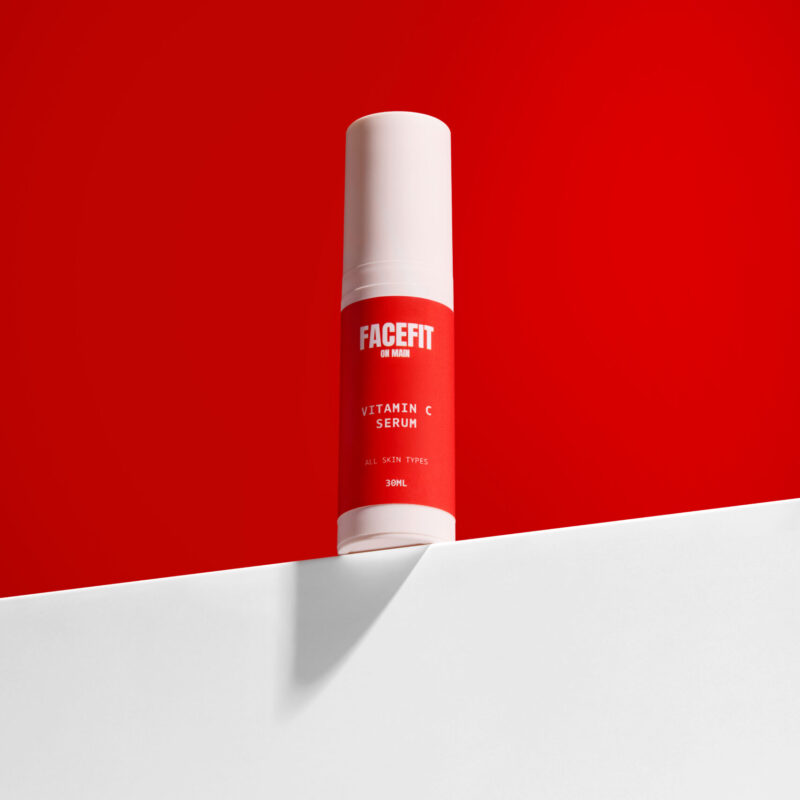
1. Vitamin C (Antioxidant + Pigment Regulator)
Vitamin C works in two key ways:
Neutralises oxidative stress (one of the biggest pigment triggers) and inhibits tyrosinase – the enzyme responsible for melanin production.
When used daily, it helps:
- Brighten overall tone
- Reduce new pigment formation
- Protect against UV-induced darkening
This is your morning essential.
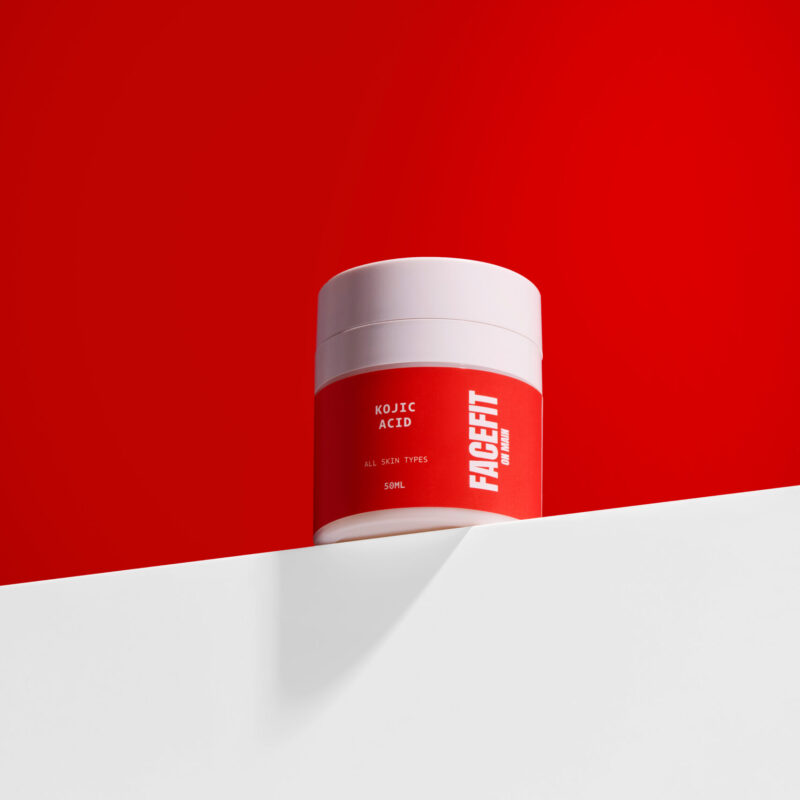
2. Kojic Acid (Tyrosinase Inhibitor)
Kojic acid directly interrupts pigment production. It slows down melanin formation at the source rather than simply exfoliating surface colour.
Best for:
- Stubborn sun spots
- Post-inflammatory pigmentation
- Uneven tone
It must be used correctly and supported with barrier-repair ingredients to avoid irritation.
3. Niacinamide (Barrier + Inflammation Control)
Inflammation is a major pigment trigger, Niacinamide soothes your skin and acts as a preparatory ingredient.
Best for:
- Reducing inflammatory triggers
- Improving barrier integrity
- Helping regulate uneven pigment transfer
This ingredient is especially important for reactive or hormonally influenced pigmentation.
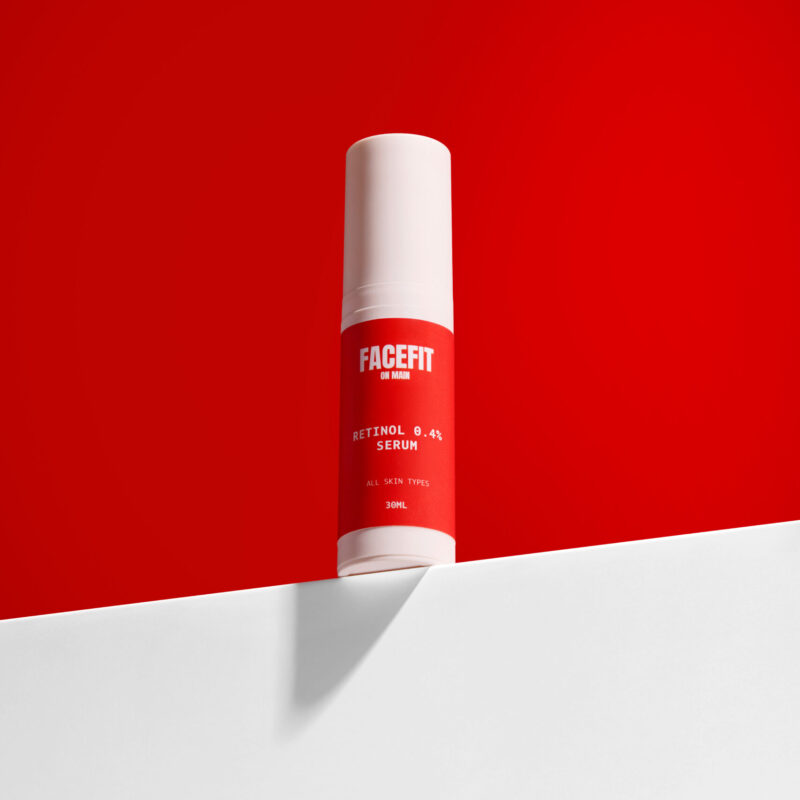
4. Gentle Retinoids (Cell Turnover Regulation)
Retinoids encourage controlled cellular turnover.
They help disperse existing pigment while improving skin function long-term.
But overuse leads to:
- Barrier disruption
- Inflammation
- Rebound pigmentation
Dose matters. Frequency matters. Support matters.
5. SPF (Non-Negotiable)
No pigment plan works without daily UV protection.
Even incidental exposure (driving, walking to the car, sitting near windows) stimulates melanocytes.
SPF is not just protection — it is prevention of recurrence.